
AI as a Critique Partner
AI can provide immediate feedback, but feedback does not automatically produce learning. When students use AI as a critique partner rather than an editor, it can expose weak reasoning, challenge assumptions, and raise useful questions while leaving students responsible for evaluating the feedback and deciding how to revise.
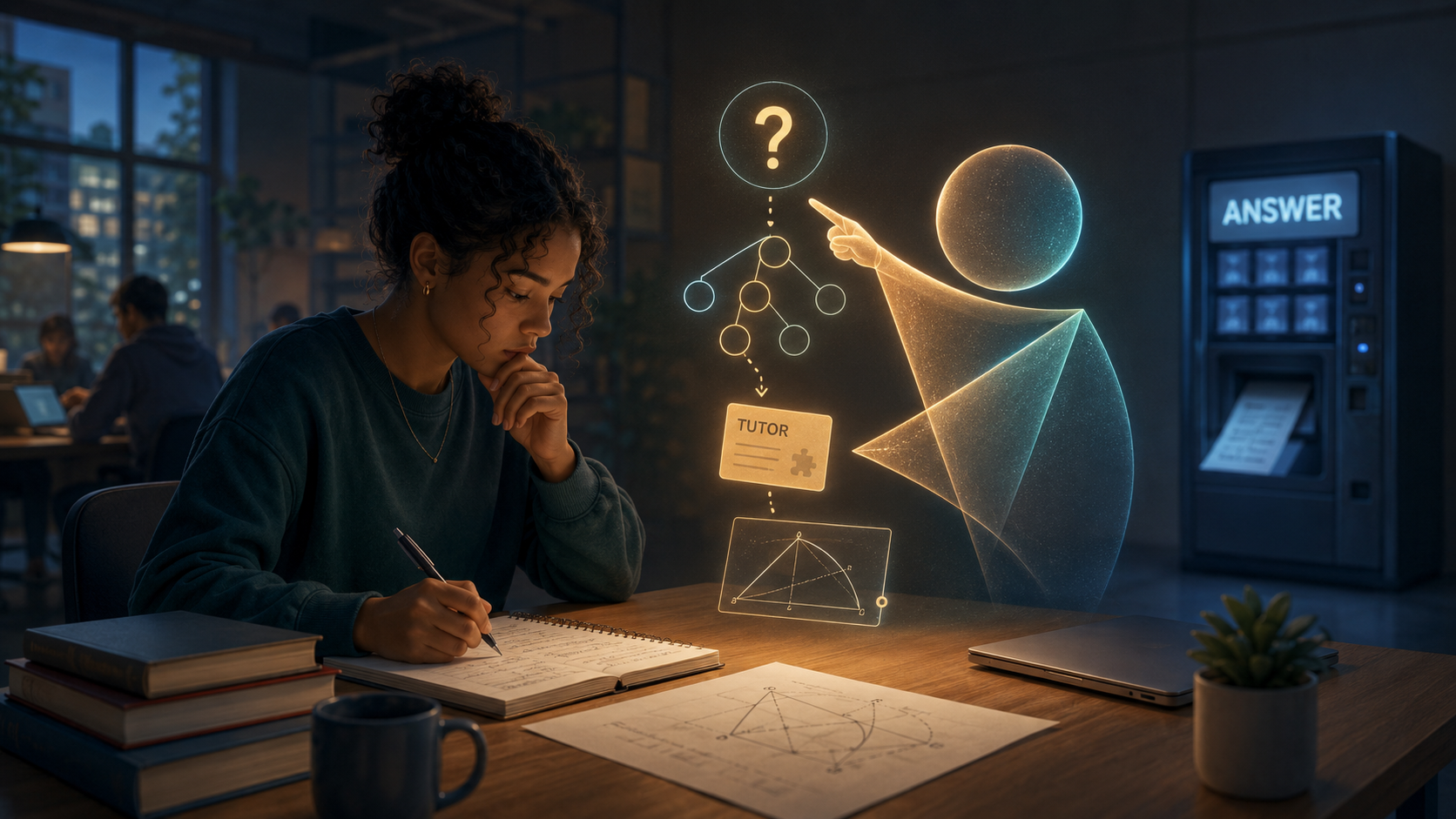
AI as a Tutor, Not an Answer Machine
AI has real potential as a tutor, but only when it supports rather than removes the thinking students need to practice. The goal is not simply to help students reach answers faster, but to help them become more capable of learning and solving problems independently.

Productive Human-AI Collaboration
Productive human-AI collaboration is not measured by how much work AI completes. It depends on whether the student remains responsible for setting the direction, evaluating possibilities, and making consequential decisions. When AI expands thinking without replacing judgment, students can leave the interaction with more than a finished product—they can become more capable learners.
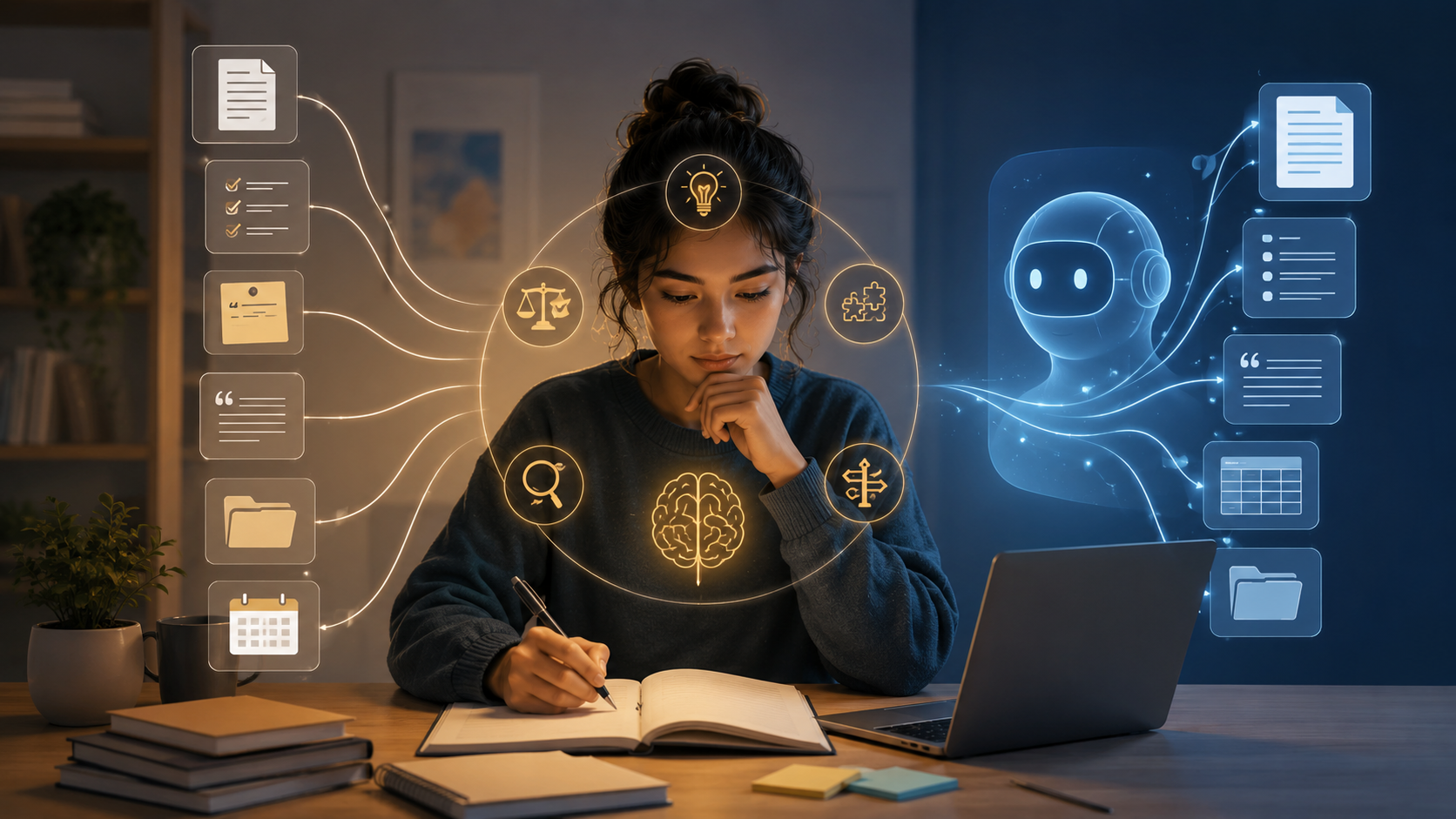
Cognitive Offloading: What Should We Hand Over to AI?
AI can make learning easier, but easier does not always mean better. Cognitive offloading can free students to focus on more meaningful thinking, but it can also remove the very effort needed to build understanding, judgment, and independence. The challenge is helping students decide what they can responsibly hand over to AI—and what thinking they still need to do themselves.